Prostate Cancer
Prostate cancer is a type of cancer that develops in the prostate gland, which is a small, walnut-sized gland located below the bladder in men. The prostate gland produces seminal fluid that nourishes and transports sperm. Prostate cancer occurs when abnormal cells in the prostate start to grow uncontrollably, forming a tumour.
Key facts
Third most commonly diagnosed cancer and third leading cause of cancer death in Australia (Cancer Council Australia).
Around 1 in 5 men will be diagnosed by age 85.
Often slow growing and may cause no early symptoms.
Risk factors
Age: risk rises after 50, increases with age.
Family history: close relatives with prostate cancer raise risk.
Ethnicity: higher risk in men of African ancestry.
Diet: high red/processed meat and low fruit/vegetable intake may increase risk.
Sedentary lifestyle: low physical activity can contribute.
Note: exact cause is unknown; having risk factors does not mean you will get prostate cancer.
Signs and symptoms
Often none in early stages; symptoms may be non-specific even when advanced. Possible signs:
Changes in urinary function (weak stream, hesitancy, frequency, urgency, poor emptying)
Blood in urine or semen
Erectile dysfunction
Pelvic, lower back or hip pain
Most urinary symptoms in older men are due to benign prostate enlargement, not cancer. See your GP if you notice changes.
Early detection and tests
PSA blood test: measures prostate-specific antigen; elevated results prompt further checks.
Digital rectal exam (DRE): clinician examines the prostate.
If abnormal, further tests may include MRI, prostate biopsy and staging scans. Discuss risks and benefits with your GP.
How prostate cancer is assessed
Decisions use age, overall health, tumour grade (Gleason/Grade Group), and stage.
Multidisciplinary teams (urologist, radiation oncologist, medical oncologist) guide personalised care.
Treatment options
Active surveillance: regular monitoring (PSA, DRE, MRI/biopsy) for low-risk disease to avoid overtreatment.
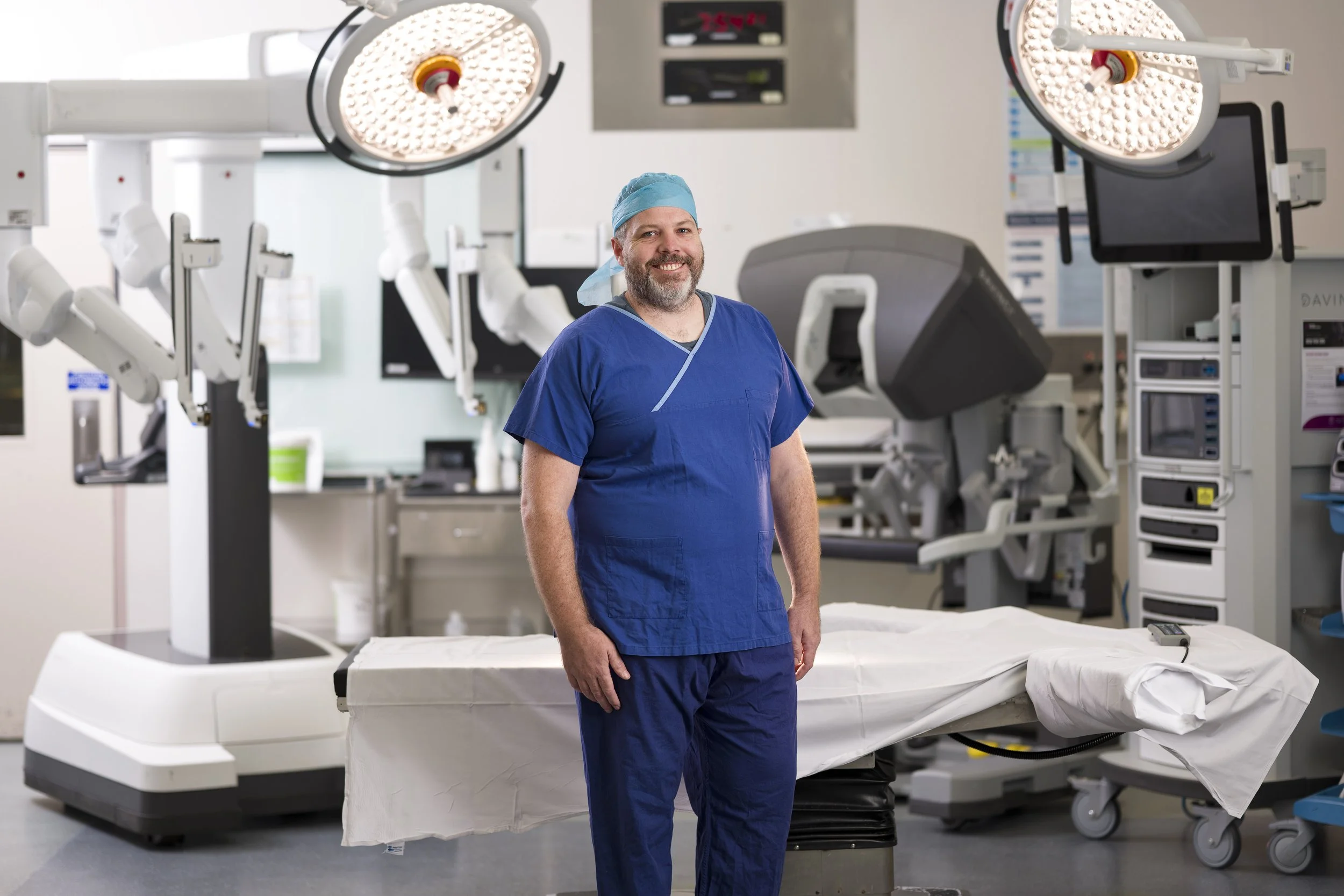
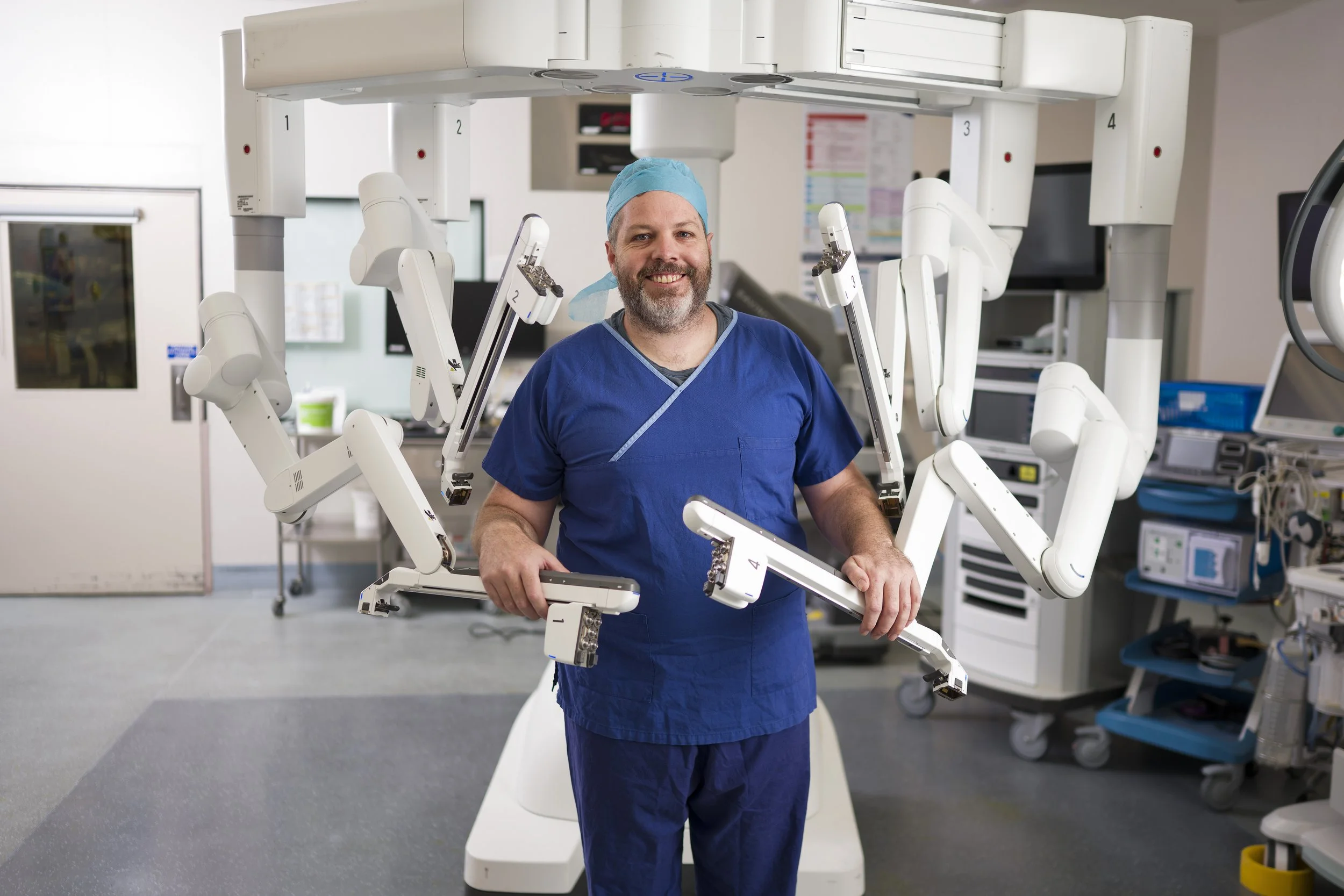
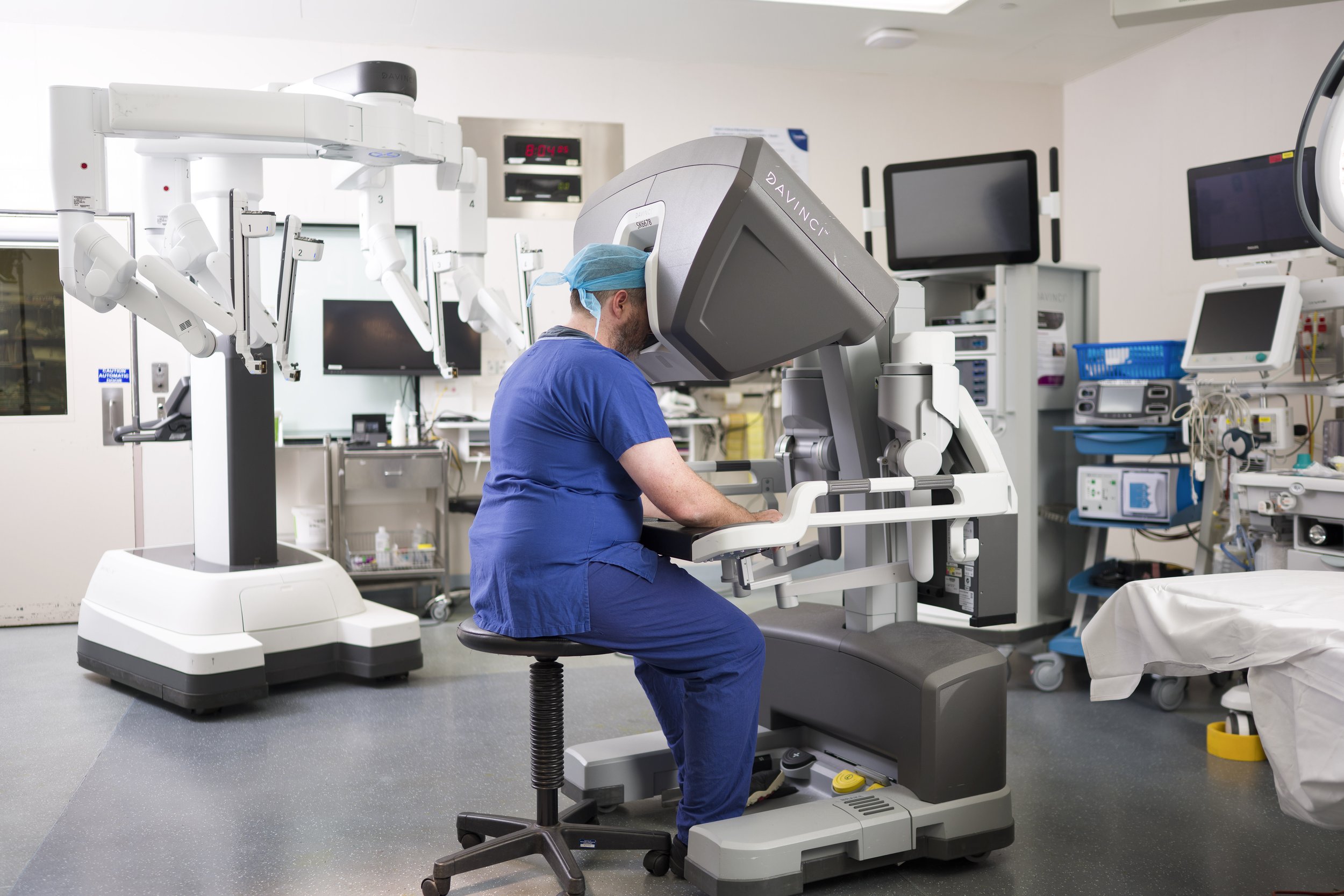
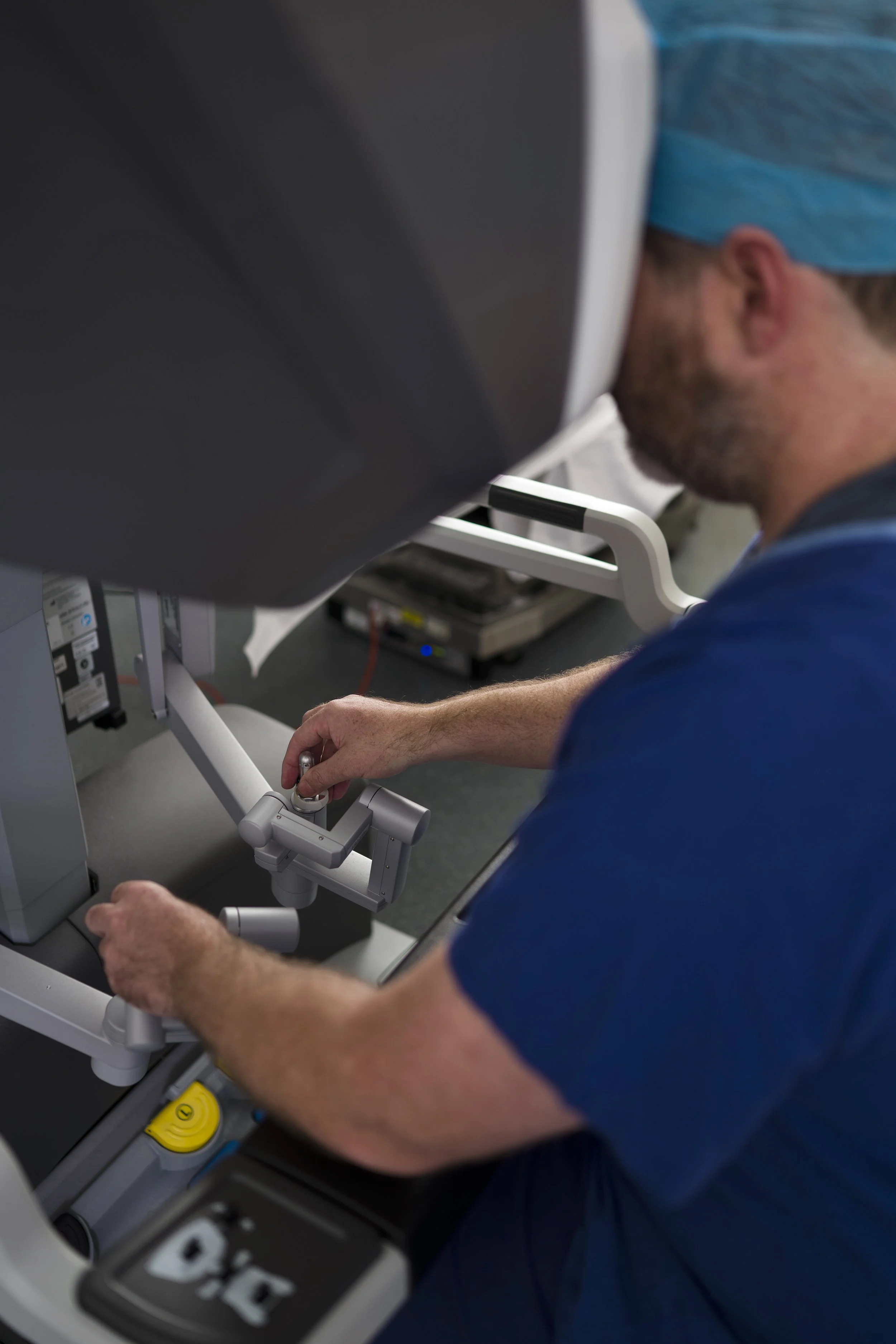
Surgery (radical prostatectomy): removal of the prostate, often robotic, and possibly pelvic lymph nodes.
Radiation therapy: external beam or brachytherapy to treat localised cancer.
Focal therapy: targeted energy (e.g., HIFU, cryotherapy) to destroy tumour tissue.
Hormone therapy (androgen deprivation): lowers testosterone to slow growth; used with radiation or for advanced disease.
Chemotherapy: used for advanced or metastatic disease when other treatments are insufficient.
Treatment side effects can include erectile dysfunction and urinary incontinence—discuss risks and rehabilitation options with your team.
Prevention and healthy habits
No guaranteed prevention, but reduce risk by:
Eating a balanced diet high in fruit, vegetables and whole grains
Limiting red and processed meat
Staying physically active and maintaining healthy weight
Quitting smoking
Attending regular GP check-ups, especially with a family history
When to see your GP
Book an appointment if you notice urinary changes, blood in urine/semen, new pelvic or back pain, or if you want to discuss PSA testing and your risk.
Support and resources (Australia)
Cancer Council Australia — national guidance and support.
Prostate Cancer Foundation of Australia — factsheets, support groups and local services.
Ask your GP about Medicare-covered tests and specialist referrals.
Prostate cancer is a common cancer in men, but with early detection and appropriate treatment, the prognosis can be favourable.
Dr Samuel Davies, Consultant Urologist and Robotic Surgeon has a specialist interest in the diagnosis and management of prostate cancer. If you have concerns or experience any symptoms related to prostate health. Dr Davies can guide you through the screening process and discuss the best treatment options for your specific case.